
Harness Pain Relief with Pain Relief TENS Devices
Pain management is a critical aspect of healthcare, especially for those dealing with chronic conditions or recovering from injuries. One effective and non-invasive method gaining popularity is the use of pain relief TENS devices. These devices offer a practical solution to alleviate pain without relying heavily on medication. In this post, I will share insights into how these devices work, their benefits, and how to choose the right one for your needs.
Understanding Pain Relief TENS Devices
Transcutaneous Electrical Nerve Stimulation (TENS) devices are small, portable machines designed to deliver low-voltage electrical currents through the skin. These currents stimulate the nerves in the affected area, which can help reduce pain signals sent to the brain. The process also encourages the release of endorphins, the body’s natural painkillers.
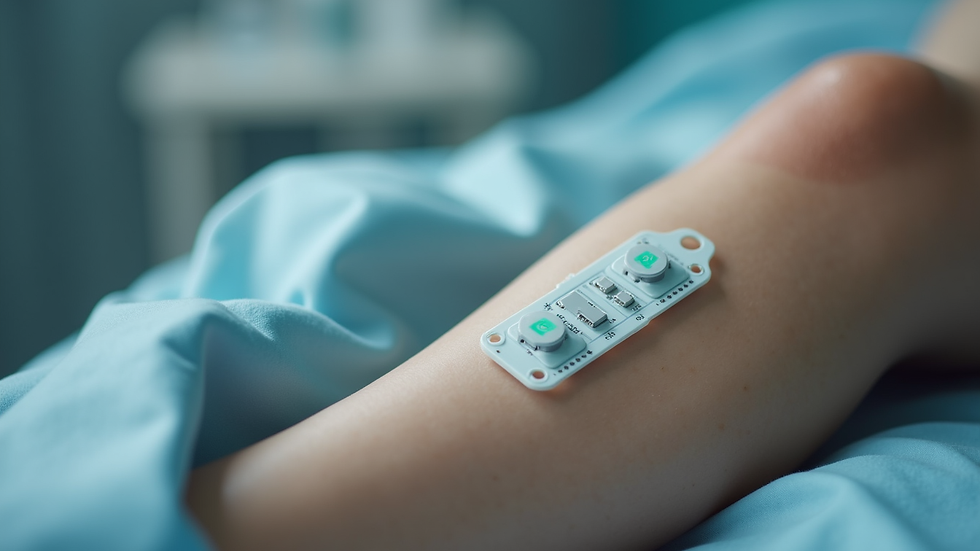
Using pain relief TENS devices is straightforward. Electrodes are placed on the skin near the painful area, and the device sends electrical pulses that you can adjust in intensity and frequency. Many users find this method soothing and effective for managing various types of pain, including back pain, arthritis, and muscle soreness.
The appeal of these devices lies in their non-invasive nature and the ability to use them at home or in clinical settings. They provide an alternative or complement to traditional pain relief methods, making them a valuable tool in pain management strategies.

Benefits of Using Pain Relief TENS Devices
There are several advantages to incorporating pain relief TENS devices into your pain management routine:
Non-invasive and drug-free: TENS devices offer pain relief without the side effects associated with medications.
Portable and convenient: Their compact size allows for easy use at home, work, or while traveling.
Customizable settings: Users can adjust the intensity and frequency to suit their comfort and pain level.
Versatile applications: Effective for various types of pain, including neuropathic pain, post-surgical pain, and sports injuries.
Cost-effective: Over time, TENS devices can reduce the need for expensive treatments or medications.
For healthcare professionals and clinics, these devices can be a valuable addition to patient care plans. They offer a safe, easy-to-use option that patients can manage independently, promoting better pain control and potentially faster recovery.
What's the best TENS unit to buy?
Choosing the right TENS unit depends on several factors, including the intended use, features, and budget. Here are some key considerations to help you make an informed decision:
Number of Channels: Devices with two or four channels allow you to treat multiple areas simultaneously.
Adjustable Settings: Look for units with a range of intensity levels and pulse modes to customize treatment.
Battery Life: Longer battery life ensures uninterrupted therapy sessions, especially for frequent users.
Ease of Use: Simple controls and clear displays make the device user-friendly for all patients.
Electrode Quality: High-quality electrodes ensure better conductivity and comfort during use.
Safety Features: Automatic shut-off and overload protection enhance safety during treatment.
Before purchasing, it’s advisable to consult with a healthcare professional to ensure the device meets your specific needs. Additionally, check for certifications and compliance with medical device standards to guarantee quality and reliability.

How to Use TENS Devices Safely and Effectively
Proper use of TENS devices is essential to maximize benefits and avoid potential risks. Here are some practical tips:
Placement of Electrodes: Follow guidelines or professional advice on where to place electrodes for optimal pain relief.
Start with Low Intensity: Begin with the lowest setting and gradually increase until you feel comfortable tingling sensations.
Limit Session Duration: Typical sessions last 20 to 30 minutes, up to three times a day, unless otherwise directed.
Avoid Sensitive Areas: Do not place electrodes on broken skin, near the eyes, or over the heart.
Consult Your Doctor: Especially if you have pacemakers, epilepsy, or are pregnant, seek medical advice before use.
Regular cleaning of electrodes and device maintenance will also ensure longevity and consistent performance. Keeping a pain diary can help track the effectiveness of the treatment and guide adjustments.
Integrating TENS Devices into Pain Management Plans
Incorporating pain relief TENS devices into broader pain management strategies can enhance outcomes. They work well alongside physical therapy, medication, and lifestyle changes. For example:
Use TENS therapy before or after exercise to reduce muscle soreness.
Combine with relaxation techniques to manage stress-related pain.
Employ as part of post-operative care to minimize reliance on opioids.
Healthcare providers can educate patients on the benefits and proper use of these devices, empowering them to take an active role in their pain management. Clinics can also offer TENS therapy as part of their treatment options, providing patients with immediate relief during visits.
Looking Ahead: The Future of Pain Relief with TENS Technology
Advancements in technology continue to improve the design and functionality of pain relief TENS devices. Innovations include wireless models, smartphone app integration, and enhanced electrode materials for better comfort and effectiveness.
As awareness grows, these devices are becoming more accessible to a wider audience, including clinics and individuals seeking reliable pain relief solutions. Suppliers like Delta Technologies are committed to providing high-quality, certified physiotherapy and surgical equipment, ensuring that users receive safe and effective products.
By embracing these devices, you can harness the power of electrical stimulation to manage pain more effectively and improve quality of life.
I hope this overview helps you understand the potential of pain relief TENS devices and how they can be a valuable part of your pain management toolkit. If you are considering adding a TENS device to your practice or personal care, remember to prioritize safety, quality, and professional guidance.
For more information on tens units, explore trusted suppliers who offer certified products designed to meet your needs.


Comments