
How Transcutaneous Electrical Nerve Stimulation Alleviates Pain Effectively
Pain management is a critical aspect of healthcare, especially for those dealing with chronic conditions or recovering from injuries. One method that has gained significant attention for its effectiveness and non-invasive nature is transcutaneous electrical nerve stimulation, commonly known as TENS. In this article, I will share insights into how this technology works, its benefits, and practical advice on choosing the right device for your needs.
Understanding Transcutaneous Electrical Nerve Stimulation
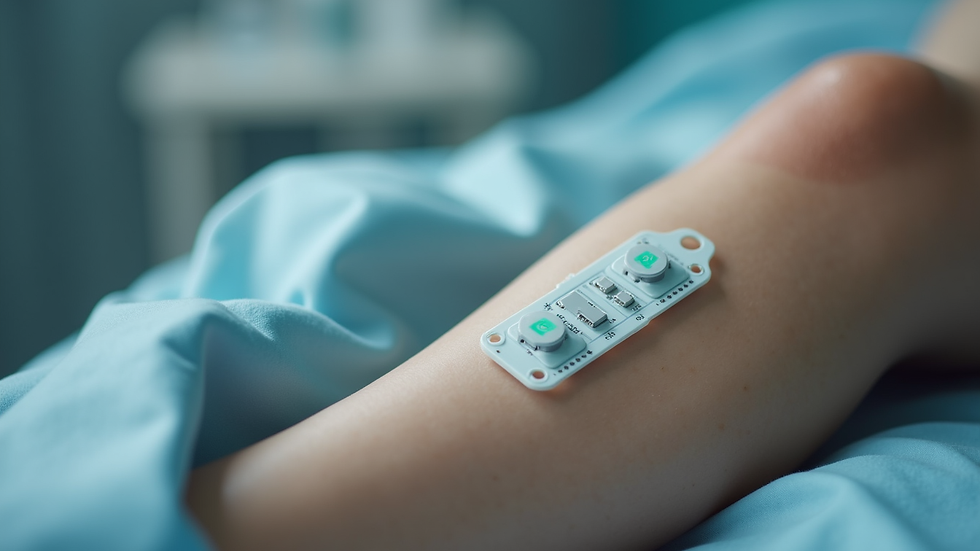
Transcutaneous electrical nerve stimulation involves delivering low-voltage electrical currents through the skin to stimulate nerves. This stimulation helps reduce pain signals sent to the brain and encourages the release of endorphins, the body’s natural painkillers. The process is safe, drug-free, and can be used alongside other treatments.
The device typically consists of a small battery-powered unit connected to electrodes placed on the skin near the painful area. When activated, the unit sends electrical pulses that vary in intensity and frequency, depending on the settings chosen. These pulses interfere with the transmission of pain signals, providing relief.
This method is particularly useful for managing various types of pain, including:
Chronic back pain
Arthritis
Post-surgical pain
Nerve-related pain such as sciatica
Muscle soreness and spasms
By targeting the nerves directly, transcutaneous electrical nerve stimulation offers a practical alternative to medications, which may have side effects or risk of dependency.

How Transcutaneous Electrical Nerve Stimulation Works to Reduce Pain
The effectiveness of transcutaneous electrical nerve stimulation lies in its ability to modulate the nervous system. There are two main theories explaining how it alleviates pain:
Gate Control Theory: This theory suggests that the electrical impulses from the TENS device "close the gate" to pain signals traveling to the brain. The stimulation activates non-painful nerve fibers, which inhibit the transmission of pain signals from reaching the brain, effectively reducing the sensation of pain.
Endorphin Release: The electrical stimulation also encourages the body to release endorphins. These natural chemicals act as pain relievers and mood enhancers, providing a sense of well-being and reducing discomfort.
The adjustable settings on a TENS device allow users to customize the intensity, pulse width, and frequency to suit their specific pain condition. For example, higher frequencies are often used for acute pain, while lower frequencies may be more effective for chronic pain.
Using transcutaneous electrical nerve stimulation regularly can help manage pain without the need for continuous medication. It is also portable and easy to use, making it suitable for home therapy or clinical settings.
What's the best TENS unit to buy?
Choosing the right TENS unit depends on several factors, including the type of pain you want to treat, ease of use, and additional features. Here are some key points to consider when selecting a device:
Number of Channels: Devices with two or four channels allow you to connect multiple electrode pads and treat different areas simultaneously.
Adjustable Settings: Look for units that offer a range of pulse widths, frequencies, and intensities. This flexibility helps tailor the treatment to your needs.
Portability and Battery Life: A compact, lightweight device with a long-lasting battery is ideal for use on the go.
Ease of Use: Clear instructions, simple controls, and a user-friendly interface make the device more accessible.
Safety Features: Automatic shut-off timers and skin contact sensors enhance safety during use.
Before purchasing, it’s advisable to consult with a healthcare professional to ensure the device suits your specific condition. Additionally, verify that the product is certified and meets medical device standards.

Practical Tips for Using Transcutaneous Electrical Nerve Stimulation Safely
To get the most benefit from transcutaneous electrical nerve stimulation, it’s important to use the device correctly. Here are some practical recommendations:
Placement of Electrodes: Position the electrode pads around the painful area, not directly on joints, broken skin, or areas with reduced sensation.
Start with Low Intensity: Begin with the lowest setting and gradually increase until you feel a comfortable tingling sensation, not pain.
Treatment Duration: Sessions typically last 20 to 30 minutes. Avoid prolonged use without breaks to prevent skin irritation.
Clean Skin and Electrodes: Ensure the skin is clean and dry before applying pads. Clean the electrodes regularly to maintain good contact.
Avoid Use in Certain Conditions: Do not use TENS if you have a pacemaker, epilepsy, or are pregnant without medical advice.
Monitor Skin Condition: Check the skin under the electrodes for redness or irritation after each session.
Following these guidelines helps maximize pain relief while minimizing risks.
Integrating TENS Units into Pain Management Plans
Transcutaneous electrical nerve stimulation can be a valuable part of a comprehensive pain management strategy. It works well alongside physical therapy, medication, and lifestyle changes. Here are some ways to integrate it effectively:
Use TENS as a complementary therapy during physical rehabilitation to reduce pain and improve mobility.
Employ it for flare-ups of chronic pain to avoid increasing medication doses.
Combine with relaxation techniques such as deep breathing or meditation to enhance overall comfort.
Educate patients or users on proper device use and maintenance to encourage consistent application.
By incorporating TENS units thoughtfully, healthcare providers and individuals can improve quality of life and reduce reliance on pharmaceuticals.
Looking Ahead: The Role of TENS in Modern Pain Relief
As technology advances, transcutaneous electrical nerve stimulation devices continue to evolve. Newer models offer features like wireless connectivity, smartphone apps for control, and customizable treatment programs. These innovations make pain management more accessible and personalized.
For clinics and healthcare professionals, offering TENS therapy can expand treatment options and meet patient demand for non-drug alternatives. For individuals, having a reliable, easy-to-use device at home empowers self-care and proactive pain control.
If you are considering adding a TENS device to your pain management toolkit, explore certified products from trusted suppliers. Reliable service and quality assurance are essential to ensure safety and effectiveness.
For those interested, tens units provide a practical, evidence-based approach to pain relief that fits into modern healthcare and personal wellness routines.
By understanding how transcutaneous electrical nerve stimulation works and applying it correctly, you can harness its benefits to manage pain effectively and improve daily comfort. Whether in clinical practice or at home, this technology offers a promising path toward better pain control without the drawbacks of medication.


Comments