
Understanding How Electrotherapy Devices Work
Electrotherapy devices have become an essential part of modern medical treatment, especially in physiotherapy and rehabilitation. These devices use electrical energy to stimulate nerves and muscles, helping to reduce pain, improve circulation, and promote healing. If you are exploring options for medical equipment or want to understand how these devices function, this post will guide you through the basics and practical insights.
The Science Behind How Electrotherapy Devices Work
At its core, electrotherapy involves applying controlled electrical currents to the body. These currents interact with the nervous system and muscle tissues to produce therapeutic effects. The mechanism is relatively straightforward but highly effective when used correctly.
Electrical impulses mimic the body’s natural signals, which can:
Block pain signals from reaching the brain
Stimulate muscle contractions to prevent atrophy
Increase blood flow to injured areas
Promote the release of endorphins, the body’s natural painkillers
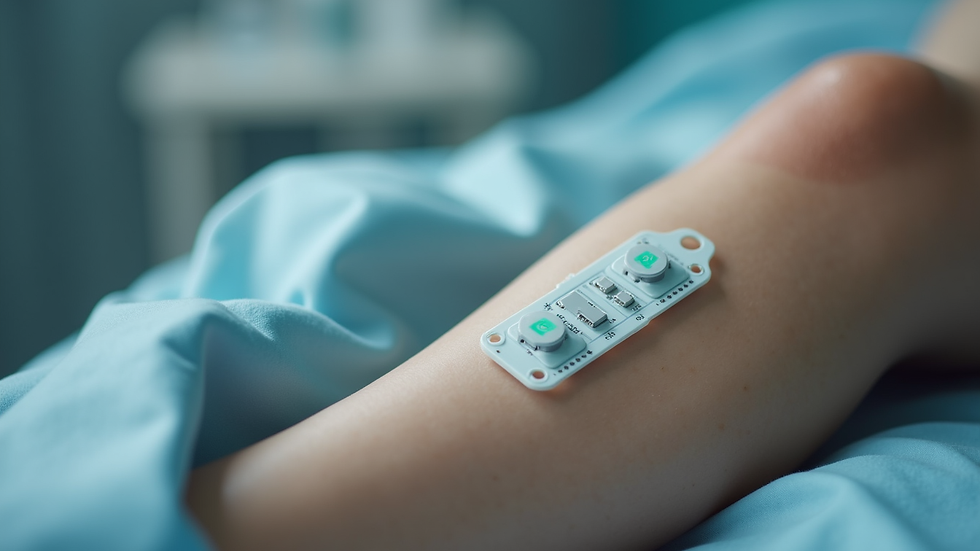
The device typically consists of electrodes placed on the skin near the treatment area. When activated, the device sends electrical pulses through these electrodes. The intensity, frequency, and duration of these pulses can be adjusted depending on the treatment goals.
Understanding these principles helps healthcare professionals tailor treatments to individual needs, ensuring safety and effectiveness.
Different Types of Electrotherapy Devices and Their Uses
There are several types of electrotherapy devices, each designed for specific therapeutic purposes. Here are some of the most common:
TENS (Transcutaneous Electrical Nerve Stimulation)
TENS units are primarily used for pain relief. They send low-voltage electrical currents to disrupt pain signals and stimulate endorphin production. This method is non-invasive and widely used for chronic pain conditions.
NMES (Neuromuscular Electrical Stimulation)
NMES devices stimulate muscle contractions by sending electrical impulses directly to motor nerves. This helps in muscle strengthening, preventing muscle atrophy, and improving motor function after injury or surgery.
IFC (Interferential Current Therapy)
IFC uses two medium-frequency currents that intersect to produce a low-frequency effect deep within tissues. It is effective for pain relief and reducing inflammation in deeper muscles and joints.
Microcurrent Therapy
This uses very low-level electrical currents to promote tissue healing and reduce inflammation. It is often used in wound care and soft tissue injuries.
Each device type has specific settings and protocols, making it important to understand their mechanisms to apply them safely and effectively.
Which is better, TENS or NMES?
Choosing between TENS and NMES depends on the treatment goals and patient condition. Both have unique benefits:
TENS is best suited for managing pain. It works by stimulating sensory nerves to block pain signals and encourage the release of natural painkillers. It is often used for chronic pain, arthritis, and nerve-related pain.
NMES focuses on muscle rehabilitation. It stimulates muscle contractions, which can help rebuild strength after injury or surgery. It is particularly useful for patients with muscle weakness or paralysis.
In practice, these devices can complement each other. For example, a patient recovering from knee surgery might use NMES to strengthen muscles and TENS to manage post-operative pain. Understanding the differences helps you select the right device or combination for your needs.

Practical Tips for Using Electrotherapy Devices Safely and Effectively
When using electrotherapy devices, safety and proper technique are paramount. Here are some practical recommendations:
Consult a healthcare professional before starting any electrotherapy treatment, especially if you have medical conditions like heart problems, epilepsy, or implanted devices such as pacemakers.
Follow manufacturer instructions carefully. Each device has specific guidelines for electrode placement, intensity settings, and treatment duration.
Start with low intensity and gradually increase as tolerated. This helps prevent discomfort or skin irritation.
Avoid placing electrodes over broken skin, the front of the neck, or directly on the heart area.
Monitor the patient’s response during treatment. If there is pain, burning, or unusual sensations, stop the session immediately.
Maintain clean electrodes and skin to ensure good conductivity and reduce the risk of infection.
By adhering to these tips, you can maximize the benefits of electrotherapy while minimizing risks.
Future Trends and Innovations in Electrotherapy Technology
The field of electrotherapy is evolving rapidly, with new technologies enhancing treatment options. Some exciting developments include:
Wearable electrotherapy devices that allow continuous or on-demand treatment outside clinical settings.
Smart devices with app integration for personalized treatment plans and remote monitoring.
Combination therapies that integrate electrotherapy with other modalities like ultrasound or laser therapy for enhanced healing.
Improved electrode materials that increase comfort and conductivity.
These innovations aim to make electrotherapy more accessible, effective, and user-friendly, aligning with the goal of providing high-quality medical equipment to a broad market.
Empowering Your Practice with Reliable Electrotherapy Solutions
Understanding how electrotherapy devices work empowers you to make informed decisions about patient care and equipment selection. Whether you are managing pain, aiding muscle recovery, or promoting healing, these devices offer versatile and proven options.
If you are looking to source high-quality physiotherapy and surgical equipment, consider suppliers who prioritize certified products and reliable service. This ensures that you receive devices that meet safety standards and deliver consistent performance.
By integrating electrotherapy into your treatment protocols thoughtfully, you can enhance patient outcomes and support recovery effectively.
I hope this overview has clarified the mechanisms and practical aspects of electrotherapy devices. Feel free to explore further and consult with experts to tailor treatments that best suit your needs.


Comments